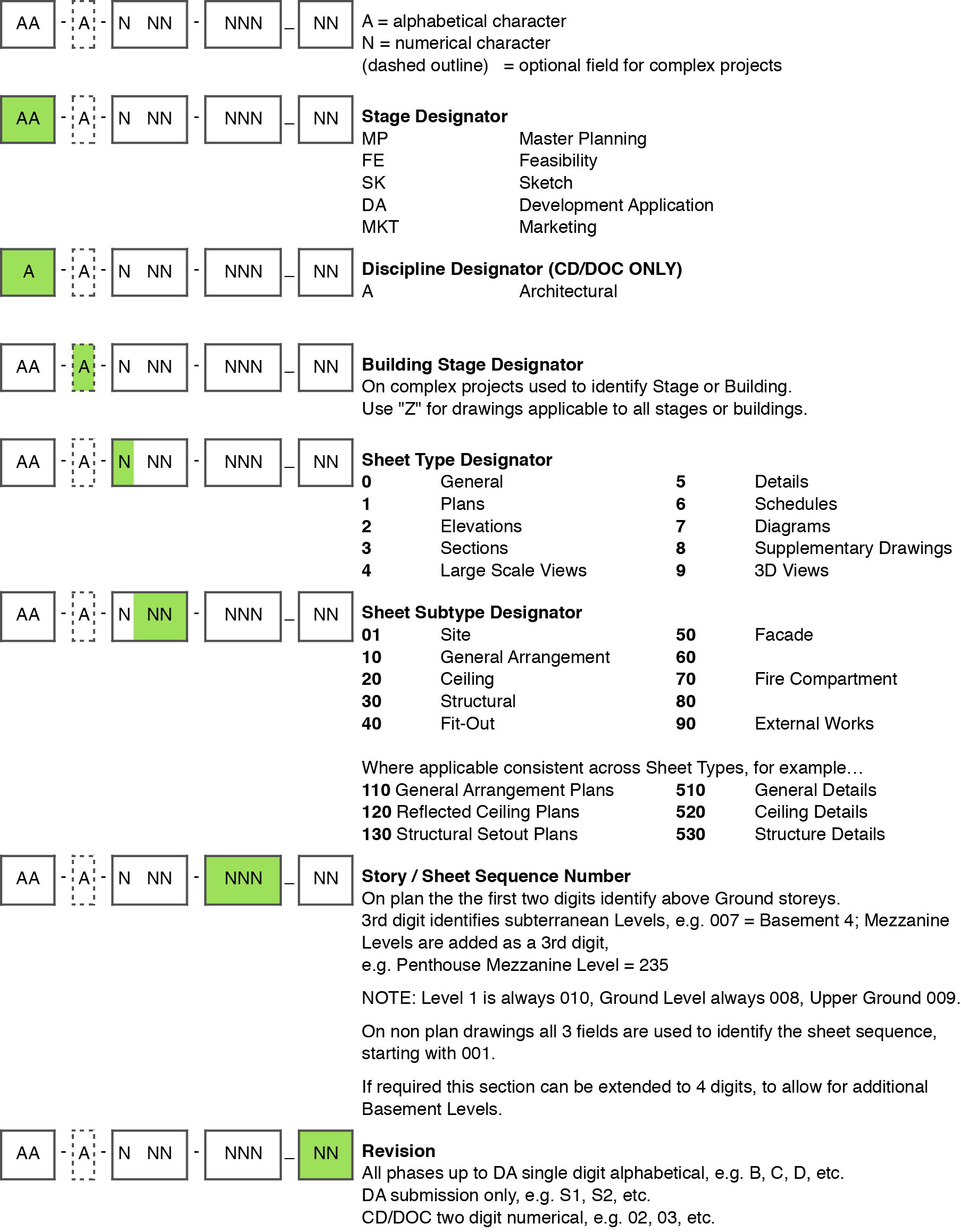
Drawing Numbering System Iso
ISO Dimensional system and bearing numbers 1.1 ISO Dimensional system The boundary dimensions of rolling bearings, namely, bore diameter, outside diameter, width, and chamfer dimensions have been standardized so that common dimensions can be adopted on a worldwide scale. In Japan, JIS (Japan Industrial Standard) adheres to the boundary dimensions established by ISO. BS EN ISO 6433, Technical drawings – Item references BS EN ISO 80000-8, Quantities and units – Part 8. One piece 832 dowmalod google drive. Rules for the structure and drafting of International Standards ISO/IEC Directives, Supplement – Procedures specific to IEC. Rules for the structure and drafting of UK standards.
Brian,
The only thing you can say about drawing numbers (and hence part numbers derived from them) is that every company has a different method. This is actually a good thing in these days of massive on-line databases containing the products of the world. If there was too much commonality, it would be a nightmare.
The important thing about any drawing system is that it facilitates configuration control throughout the product tree, from the smallest part to the highest assembly, which could be a particular model of say, a 747 airliner or the empire state building.
In some industries, there are particular rules that have to be met. For instance, in the european aerospace industry there is a requirement to mark each part with the unique part number and also to identify the manufacturer. Many aerospace companies, therefore include an element of their company identity within the part number, usually by 1 to 3 letters. The unique section of the part-number would be derived from a master drawing list controlled by the design office. Dash numbers are normally used to indicate different variants of a part, sub-assembly or assembly, as you mentioned.
Whatever method is used, it should be fully explained in the documented procedures of the design office.
The only thing you can say about drawing numbers (and hence part numbers derived from them) is that every company has a different method. This is actually a good thing in these days of massive on-line databases containing the products of the world. If there was too much commonality, it would be a nightmare.
The important thing about any drawing system is that it facilitates configuration control throughout the product tree, from the smallest part to the highest assembly, which could be a particular model of say, a 747 airliner or the empire state building.
In some industries, there are particular rules that have to be met. For instance, in the european aerospace industry there is a requirement to mark each part with the unique part number and also to identify the manufacturer. Many aerospace companies, therefore include an element of their company identity within the part number, usually by 1 to 3 letters. The unique section of the part-number would be derived from a master drawing list controlled by the design office. Dash numbers are normally used to indicate different variants of a part, sub-assembly or assembly, as you mentioned.
Whatever method is used, it should be fully explained in the documented procedures of the design office.